JamBlog
The JamBlog hold all the presentation notes from the past team teach presentations. These notes are orgainzed in order of presentation date.
Each team Teach is broken down into each section and has a short summary of the key points covered.
5.1 benifital and Harmful Effects
Beneficial Effects of Technology
- Automated phone systems reduce hold time and save companies money.
- Medical technology like MRI and DNA sequencing help diagnose and treat diseases faster.
- Vaccines for illnesses like COVID were only possible due to modern technology.
- Online access to encyclopedias, articles, and e-books makes education more widely available.
- Search engines like Google provide instant access to massive amounts of information.
Harmful Effects of Technology
- Cyberbullying and online dangers threaten children’s mental health and safety.
- Social media can negatively affect teen self-esteem and mental health.
- Dangerous trends on social platforms have led to injuries and even deaths.
- Unmonitored internet use exposes kids to scams and inappropriate content.
- Legal actions have been taken against social media platforms over harmful impacts.
Neutral (Both Beneficial and Harmful Effects)
- Artificial Intelligence boosts productivity and helps in education and healthcare, but raises ethical, environmental, and misinformation concerns.
- Drones improve rescue missions, farming, and surveillance, but pose privacy risks and safety issues when misused.
- Gene editing may cure genetic diseases and improve crops, but carries ethical risks and can cause irreversible genetic harm.
5.2 The Digital Divide
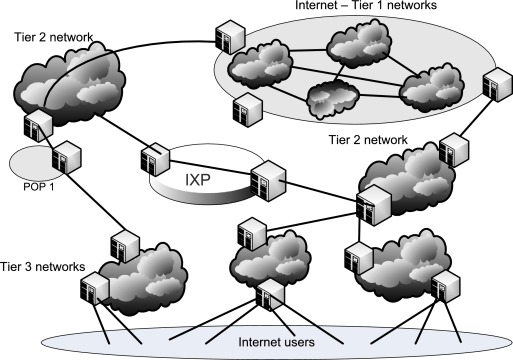
Digital Divide Overview
- Technology access is uneven, especially in rural and low-income areas.
- This gap limits opportunities in education, employment, healthcare, and community involvement.
- The digital divide also exists in developed cities like San Diego, particularly near the border.
Causes and Bias
- Wealthier communities can afford better digital infrastructure.
- Bias in computing innovations can exclude underrepresented users.
- Developers may unintentionally design software that doesn’t meet the needs of all groups.
Solutions to Bridge the Divide
- Expand infrastructure and public Wi-Fi in underserved areas.
- Subsidize internet and device costs for low-income families.
- Create inclusive technologies that work for all users.
- Advocate for public policy supporting digital equity.
5.3 Computing Bias
What is Computing Bias?
- Computing bias happens when algorithms or systems produce unfair outcomes for certain groups.
- This bias can come from flawed data, biased design, or unintended programming consequences.
- Example: Netflix recommendations may reinforce user preferences, limiting content diversity.
Types of Computing Bias
- Algorithmic Bias: Flawed systems that produce consistently biased results.
- Data Bias: Bias originating from skewed or incomplete data sets.
- Cognitive Bias: Researcher unintentionally selects data supporting personal beliefs.
Intentional vs. Unintentional Bias
- Intentional Bias: Developers knowingly include biased rules (e.g., resume filtering favoring certain groups).
- Unintentional Bias: Occurs when systems are trained on biased or incomplete data (e.g., facial recognition failing on darker skin tones).
5.4 Crowdsourcing
What is Crowdsourcing?
- Crowdsourcing is gathering input or solutions from a large group of people, typically via the internet.
- It helps reduce computing bias by incorporating diverse perspectives.
- Enables global collaboration through distributed computing systems.
Types of Crowdsourcing
- Crowdfunding: Raising money from many small donors (e.g., Kickstarter, GoFundMe).
- Crowd Creation: Content generated by a community (e.g., Wikipedia, design contests).
- Crowd Voting: Public opinion guides decisions (e.g., Reddit upvotes, polls).
- Crowd Wisdom: Leveraging collective intelligence (e.g., Stack Overflow, prediction markets).
Data Crowdsourcing
- Collecting and verifying data from a large online group.
- Examples include: Wikipedia, Google Maps, and Amazon Mechanical Turk.
- Benefits: Rapid, scalable, cost-efficient data collection from diverse sources.
- Challenges: Ensuring accuracy, respecting privacy, and motivating volunteers.
5.5 Legal and Ethical Issues
Legal Concerns in Software Development
- Intellectual Property (IP) laws protect digital creations like code, designs, and trademarks.
- Copyright gives automatic legal protection to original works and prohibits unauthorized use.
- Licensing defines how others can use, modify, or share your code; without one, it’s “All Rights Reserved.”
- Software licenses (MIT, GPL, Apache 2.0, etc.) set clear rules for collaboration and reuse.
- Violating software licenses can result in repo takedowns, legal action, or fines.
Open Source vs Open Access
- Open Source Software: Freely available code that users can modify and redistribute under specific licenses.
- Open Access Code: Research and code that’s free of access restrictions, with minimal use limitations.
- Benefits: Encourages collaboration and accessibility.
- Risks: May be misused if modified maliciously or without proper credit.
Big O and Algorithm Analysis
Why Algorithm Efficiency Matters
- Efficient algorithms improve app speed and user experience.
- Save resources like memory and processing power, especially on mobile or high-load systems.
- Scalability ensures performance remains strong with larger datasets.
- Real-world systems (e.g., streaming, search engines) depend on efficient data processing.
String Reversal Efficiency
- Speed-Optimized (s[::-1]): Fast but uses more memory (O(n) time, O(n) space).
- Memory-Optimized: Slower due to list insertions but may save memory.
- Ideal choice depends on the app’s performance vs. memory needs.